

INDEX
1. Executive Summary
Over the 12-month reporting period, AGMS and its MediCase tourism support network provided medical care to 1,724 (Cases used for the this report) international travellers in Cape Town through ours 24-hour doctor call-outs, concierge services, and mobile clinics.
The clinical encounters covered a wide range of health issues, from minor illnesses to urgent care cases, with a subset requiring critical care intervention or hospital transfers.
AGMS, delivered round-the-clock medical care to over 2000 international travellers in Cape Town over the past year.
2. The AGMS MediCase Tourism Network
Advanced Global Medical Solutions (AGMS) operates a dedicated tourism medical framework that ensures international travellers receive rapid, private, and high-quality medical care.
This Includes:
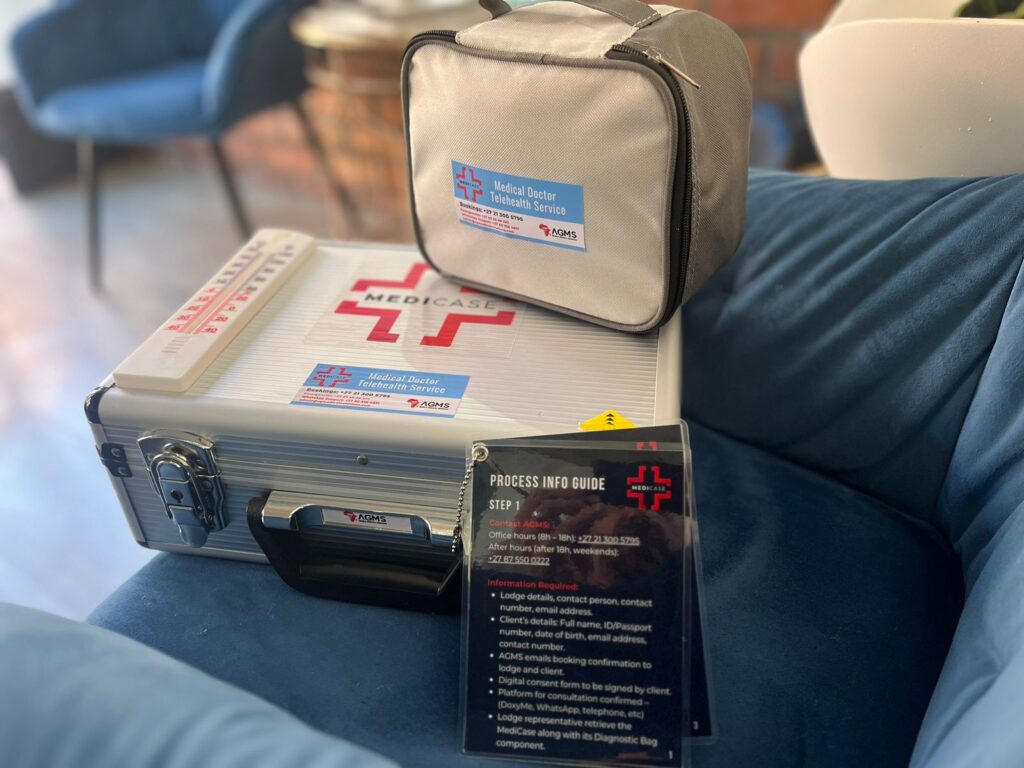
24-Hour Doctor Call-Out Service
Immediate physician deployment to hotels, villas, and event venues.
Concierge Medical Service
On-site clinical care tailored to VIP, embassy, and corporate travellers.
Mobile Clinical Units
Fully equipped units for point-of-care diagnostics (labs, ECGs, ultrasounds) in high-traffic tourist zones.
Telemedicine Integration
Virtual consultations, follow-up, and escalation management.
Hospital & Repatriation Coordination
Seamless liaison with Description : private hospitals, insurers, and embassies for admissions and transfers.

*Note: Anomalous age entries (e.g., -1 years) reflect data capture errors and are excluded from trend analyses.
3. Patient Demographics & Service Use
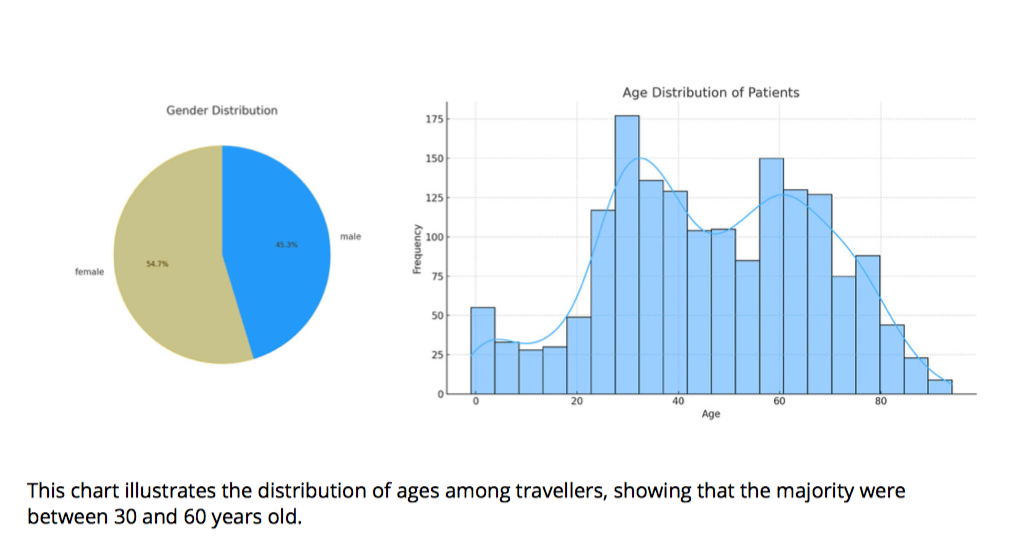
Over the reporting period, AGMS recorded 1,724 clinical encounters involving 1,410 unique international patients, with an average age of 46 years.
The patient group was marginally more female , with services primarily delivered in Cape Town’s CBD, Sea Point, Camps Bay, and Green Point.
This chart illustrates the distribution of ages among travellers, showing that the majority were between 30 and 60 years old.
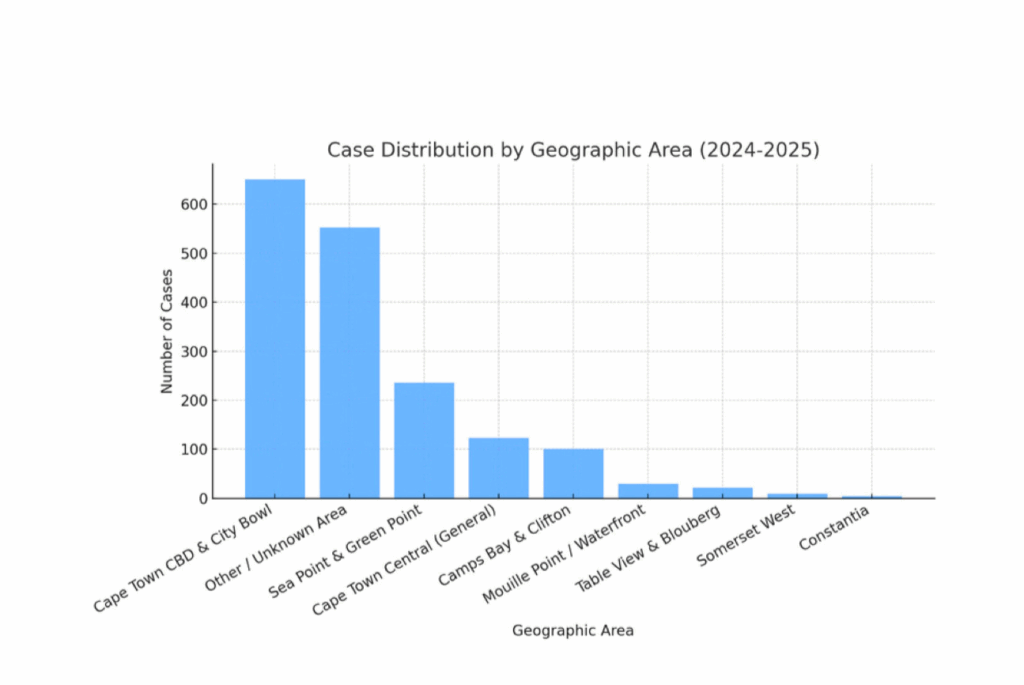
Geographic Case Distribution
Key Findings:
• The Cape Town CBD and City Bowl (Postal Code 8001) accounted for the largest share of cases (650 cases).
• Sea Point and Green Point (Postal Code 8005) followed as the second most frequented areas (236 cases). Predominantly linked to tourist accommodations and short-term stays.
• Camps Bay and Clifton (Postal Code 7806) accounted for 100 cases, particularly peaking during hightourism periods.
• Cape Town Central (Postal Code 8000) registered 123 cases, mainly from transient visitors and business travelers in the central city.
• Other or Unknown Areas collectively represented 552 cases, covering instances where postal codes were missing, incorrect, or where services were provided virtually or in unlisted transit locations.
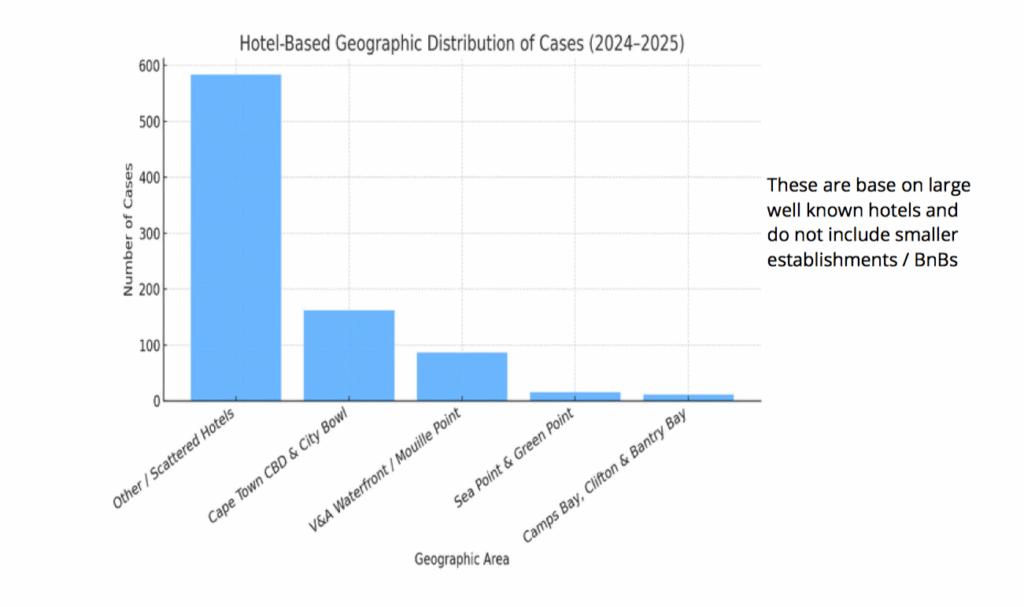
While this report provides valuable insights into the geographic distribution of medical cases, the accuracy of the findings is influenced by the completeness and reliability of postal code data.
A substantial portion of cases classified under “Other or Unknown Areas” stem from missing postal codes, virtual consultations, or visits to areas without proper documentation.
As such, while the data highlights major hotspots, the totals may not fully represent the true geographic spread of all cases.
Insights
The analysis shows that over 80% of documented AGMS cases are concentrated in high tourism and hospitality zones (CBD, Sea Point/Green Point, Camps Bay).
These findings highlight the importance of deploying dedicated medical resources and rapid response capabilities within these regions, as they represent the bulk of case demand.
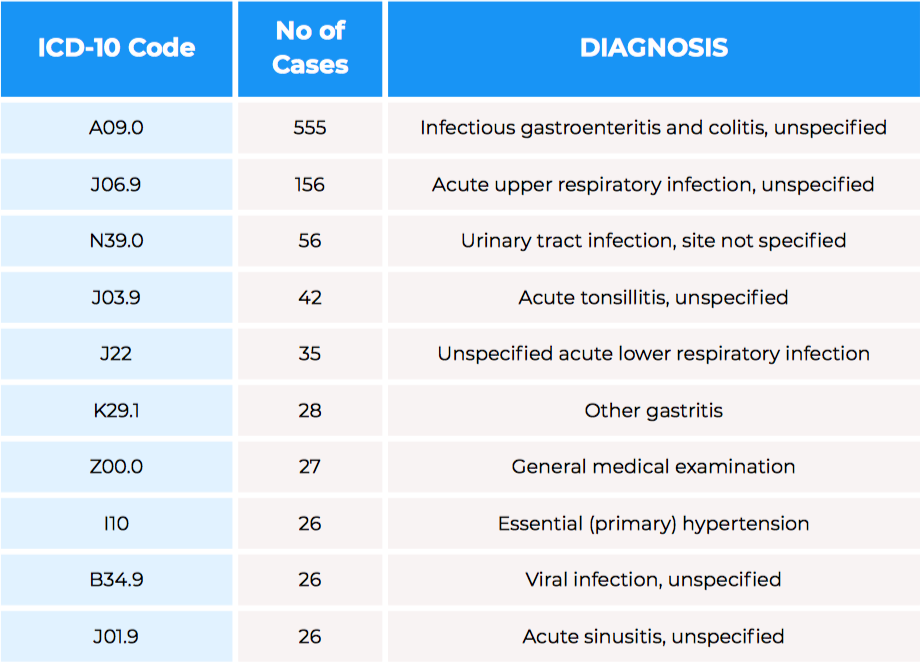
4. Top Clinical Conditions (ICD-10 Summary)
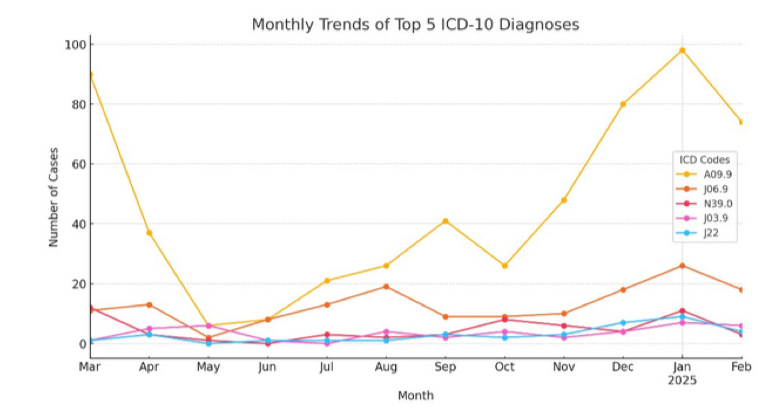
Monthly trends showed seasonal spikes in gastrointestinal illness during warmer months and an increase in upper respiratory infections during colder periods.
This trend aligns with expected disease patterns and highlights the importance of health readiness during peak tourism seasons.
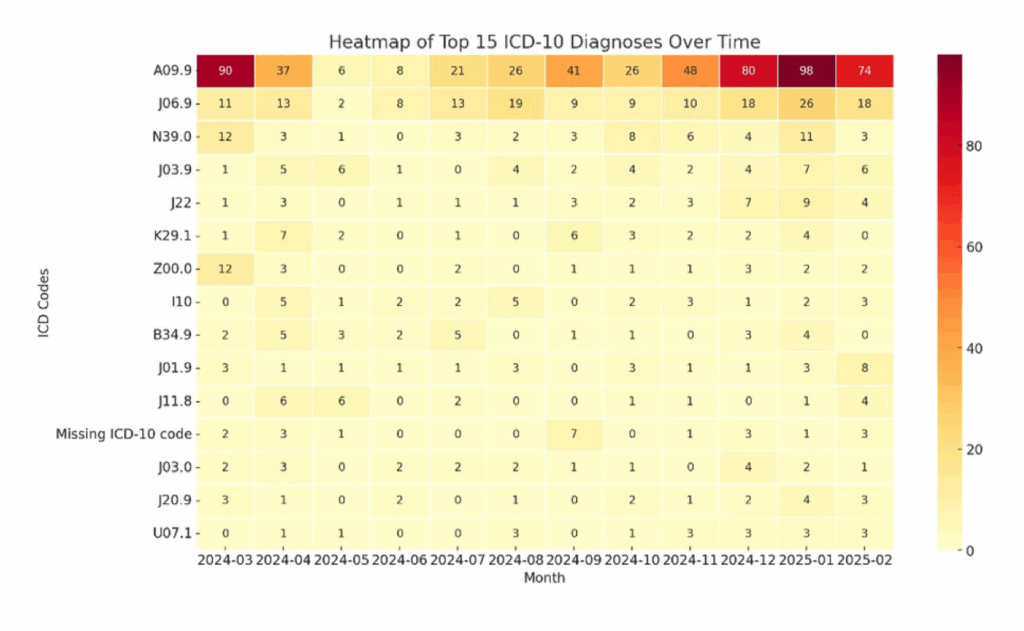
HEAT MAP FOR REPORTING PERIOD
The heat map below displays how different medical conditions occurred across the year.
The most frequent diagnosis was gastroenteritis (A09.9), followed by acute upper respiratory infections, urinary tract infections, and tonsillitis.
5. Injury, Trauma & Assault Cases
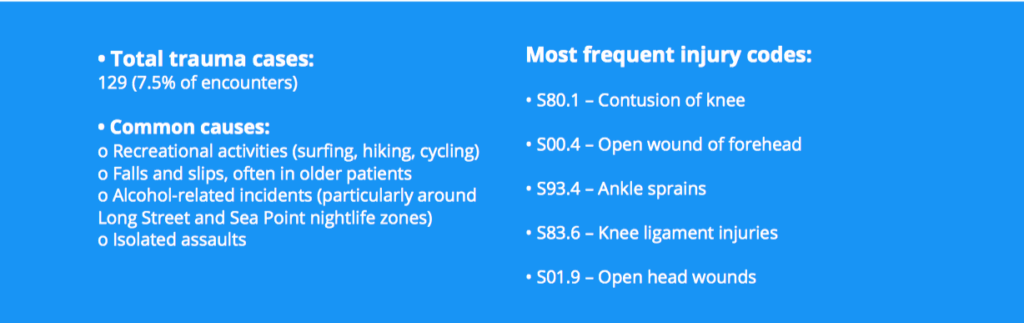
Trauma cases were recorded, reflecting a range of common incidents seen in the area.
These cases frequently stemmed from recreational activities such as surfing, hiking, and cycling, as well as falls and slips, particularly among older patients.
Alcohol-related incidents were also a notable factor, especially in nightlife hubs like Long Street and Sea Point, along with a few isolated assaults.
The most commonly reported injuries included contusions of the knee, open wounds of the forehead, ankle sprains, knee ligament injuries, and open head wounds.
6. Seasonal Trends
• December–March (summer): Sharp increase in gastrointestinal illnesses, linked to water, food, and hygiene-related exposures in hospitality settings.
• June–August (winter): Higher prevalence of upper respiratory infections and viral syndromes.
• Trauma cases: Fairly consistent year-round, with peaks during festival and holiday periods.
7. Public Health Implications
Gastroenteritis cases (550+) represent a significant public health burden, much of which goes unreported to governmental surveillance systems due to the private nature of MediCase care.
Recommendation: Establish a reporting integration between AGMS and local public health bodies to track outbreaks.
Improved hygiene practices in tourism establishments, mandatory food handler audits, and water quality testing could substantially reduce illness rates.

Insights
The number of gastroenteritis cases points to a broader public health issue.
Strengthening reporting systems and improving hygiene, food safety, and water quality practices can help reduce the spread and impact of illness.
8. Strategic Recommendations
To enhance public health outcomes and ensure the safety of both residents and visitors, a proactive and collaborative approach is essential.
By strengthening operational readiness, fostering strategic partnerships, and prioritizing preventive education, key initiatives can be implemented to improve response capabilities, reduce avoidable health risks, and support the well-being of the community.
Data Integration:
Formalize AGMS data-sharing with local health departments for outbreak early warning.
Expanded MediCase Readiness:
Increase mobile unit coverage during peak tourist months.
Tourism Stakeholder Partnerships:
Work with hotels, restaurants, and tourism boards to reduce preventable illness and injury.
Emergency Preparedness:
Continue ensuring rapid physician call-out and triage protocols, particularly for high-risk presentations.
Education & Awareness:
Develop traveller health advisories regarding hydration, hygiene, and nightlife safety.
9. Conclusion
The AGMS MediCase network continues to serve as Cape Town’s primary private medical backbone for international tourism, delivering responsive, high-quality care while generating essential public health data.
With 1 724 encounters in the past year, AGMS remains pivotal in maintaining traveller health, confidence and safety in one of the worlds most visited destinations